



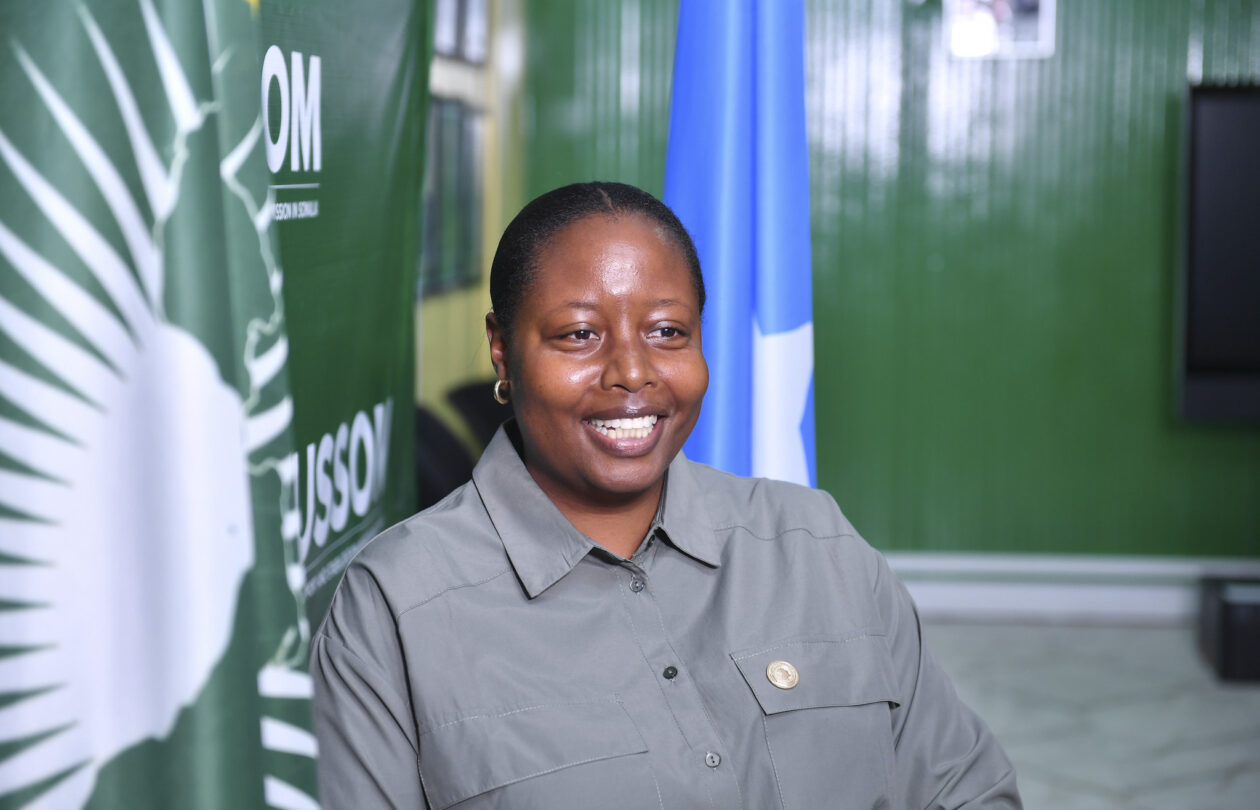
Mogadishu — In conflict zones, success is routinely measured by territory seized and secured or battles won. But for Josphine Njeru, the true measure of success is protecting civilians from harm.
As the Senior Civilian Casualty Tracking, Analysis and Response Cell (CCTARC) and Board of Inquiry (BOI) Officer for the African Union Support and Stabilisation Mission in Somalia (AUSSOM), Njeru works behind the scenes.
Her role is critical: to protect communities caught in the crossfire, investigate incidents, track civilian injuries, and ensure the mission’s accountability to the people it serves.
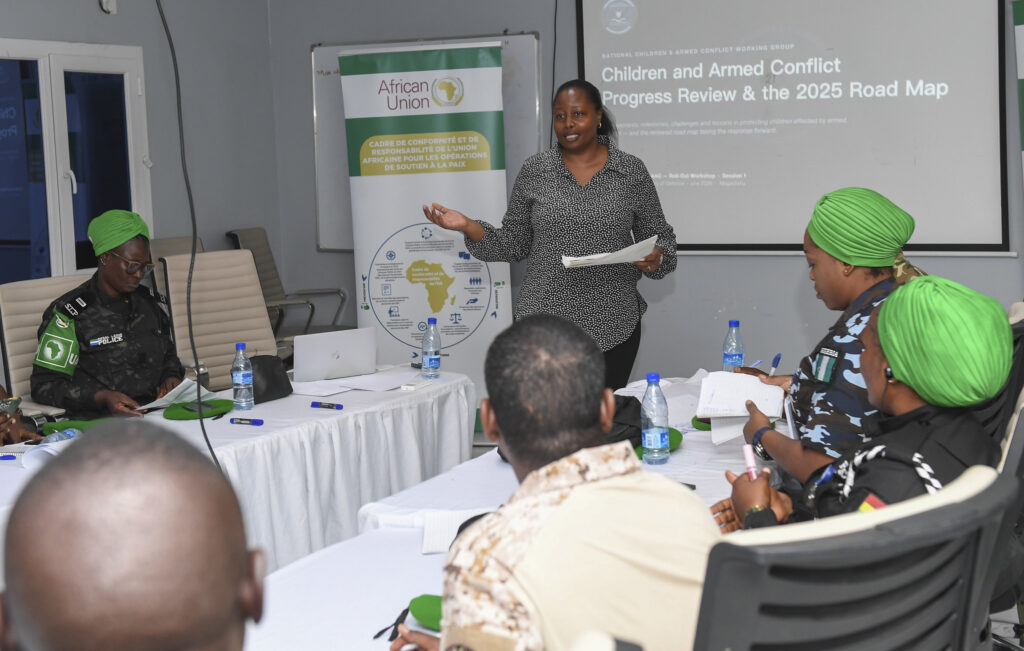
Operating in a complex conflict environment, facts are rarely clear from the outset.
“Information on civilian harm is often incomplete and comes from various sources, each holding only part of the picture,” Njeru explained.
“That requires us to be very careful, methodical and fair to make sure that we are verifying, analysing, and drawing conclusions while still ensuring that the urgent risks in any particular incident are acted on very quickly.”
To achieve this, Njeru relies on structured reporting, data analysis, and information triangulation.
This requires collaboration with an extensive network of stakeholders, including AUSSOM military and police personnel, the United Nations (UN), the International Committee of the Red Cross (ICRC), and Somali authorities.
“Any incident does have a variety of stakeholders,” Njeru said. “Professionalism and consistency, of course, matter. And it has helped to ensure decisions are grounded in facts rather than just assuming or speculating what might have happened.”
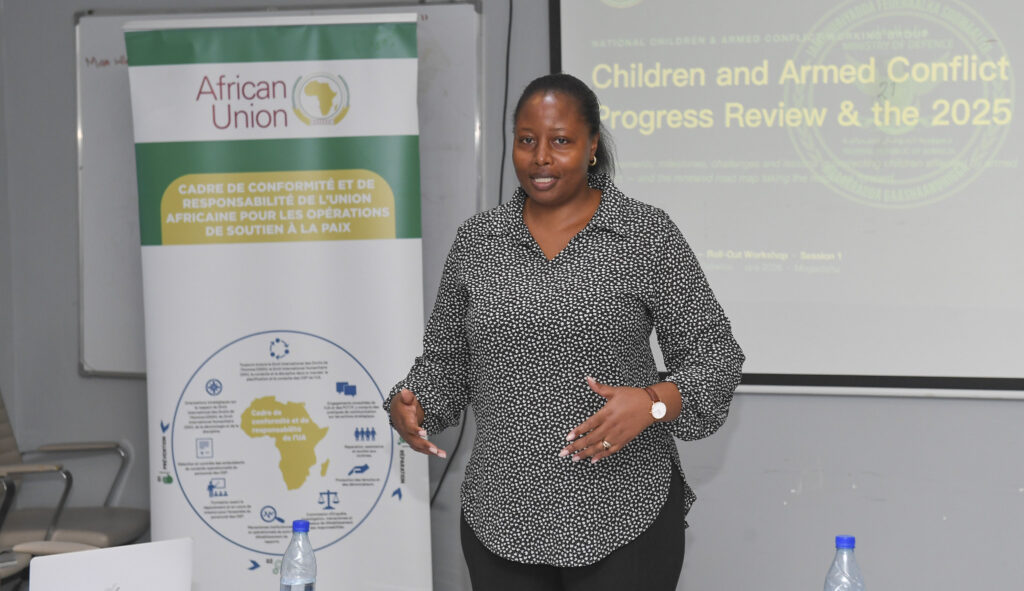
Having served in Somalia for over 13 years through the evolution of the African Union missions, Njeru has not just witnessed an institutional shift; she has helped shape the mission’s approach in protection of civilians, including playing a pivotal role in the establishment of the AU Compliance and Accountability Framework.
For her, tracking civilian harm is a diagnostic tool for improving operations and reducing future risks.
“By supporting civilian harm tracking and analysis, the mission is able to understand where civilians are at risk, which incidents recur, where they are recurring, how they are recurring, and why they are recurring,” Njeru said.
The impact of this work may not always be visible, but it is far-reaching.
“Protection work is obviously not visible, especially when it comes to analysing information after incidents have occurred,” she reflected.
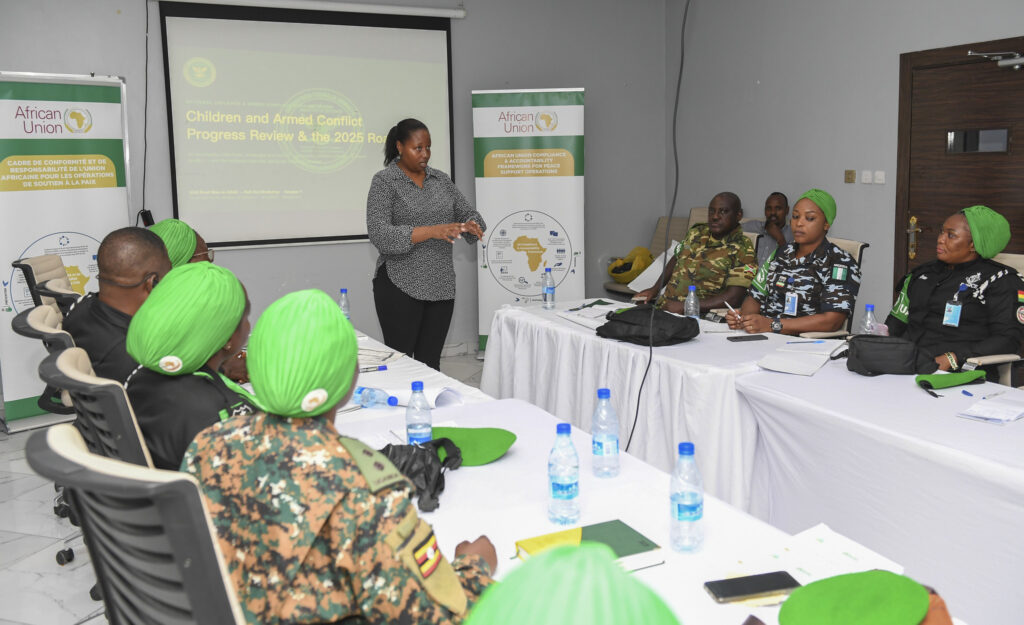
“It is about the training sessions that change how a commander understands civilian risks when they are deployed in a mission. The impact of my work is not as direct and overly immediate to be seen from the outside. But I do believe that changing the system, changing our behaviour through knowledge acquired and learning… does have a greater impact on the lives that we are tasked to protect.”
Behind every report, Njeru added, are real people and communities affected by conflict.
“… Protection is not purely technical. Every report or every incident behind that report or incident that we receive and analyse, behind that is a person. It is a family; it is a community. So, we take that with a huge responsibility,” she said.
This sense of responsibility fuels Njeru’s drive, particularly as an African woman shaping high-level peace and security strategies.
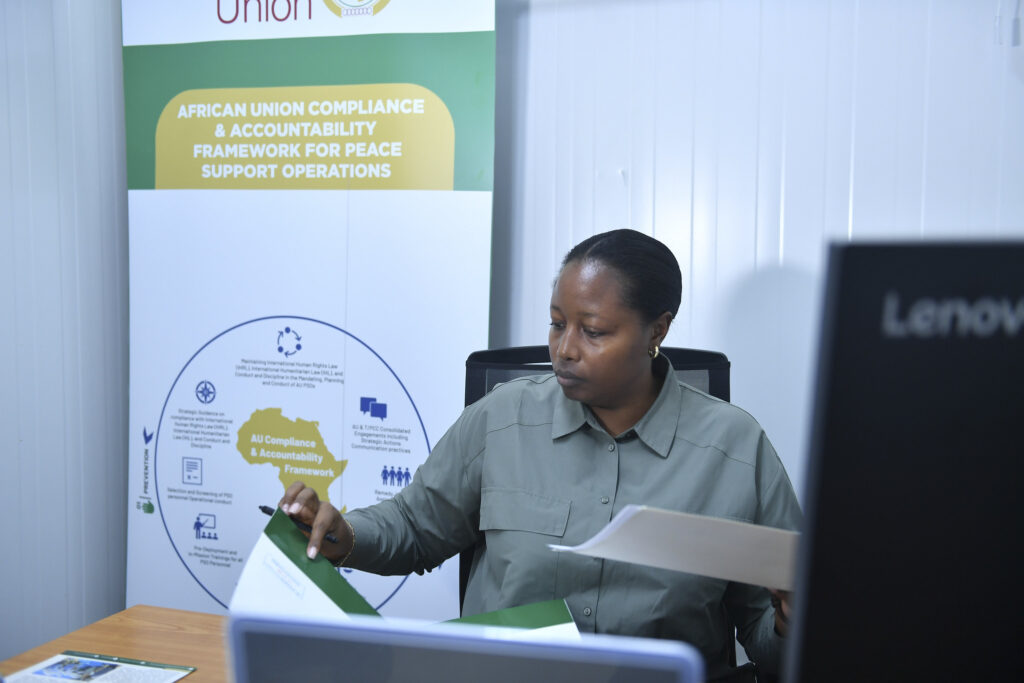
“I am motivated to show that women are practitioners, women are advisors, they are trainers, they are analysts, and decision shapers in the peace and security space,” she said.
Njeru also drew constant inspiration from the local population. “I am also deeply motivated by, of course, the Somali resilience. Despite the years of difficulty, Somali communities continue to rebuild and educate their children, run their businesses, and participate in daily life. That resilience reminds me that our work must be worthy of the people that we serve,” she said.
As AUSSOM continues supporting Somalia’s transition towards greater security ownership by the Somali Security Forces, Njeru remained focused on the ultimate objective.
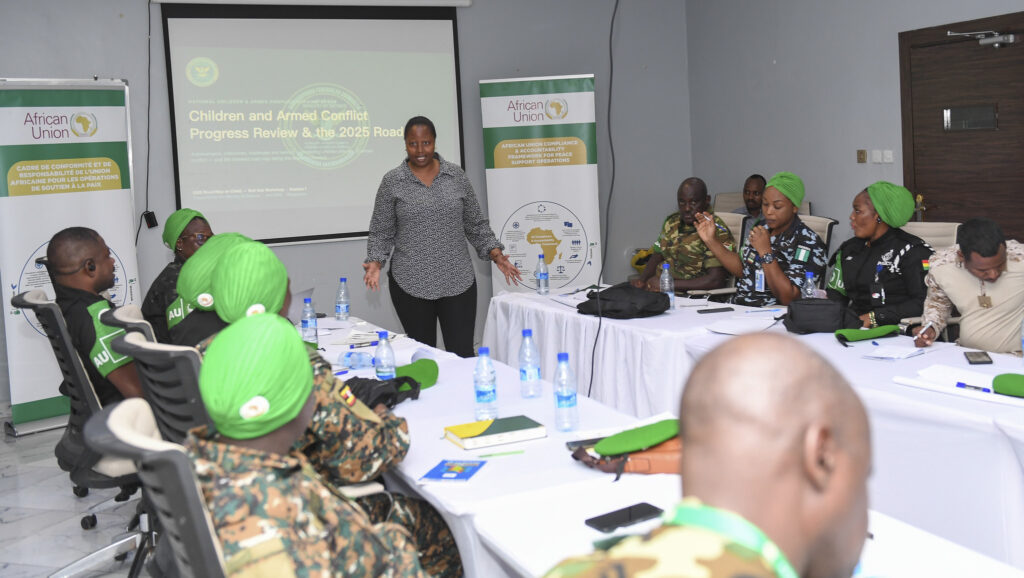
“The measure of success in this regard is not an issue of just securing territory alone but ensuring that communities feel safer, and they trust the institutions and ensuring that the environment is created where people can look to the future with confidence and with dignity. That is the work I remain committed to,” said Njeru.