



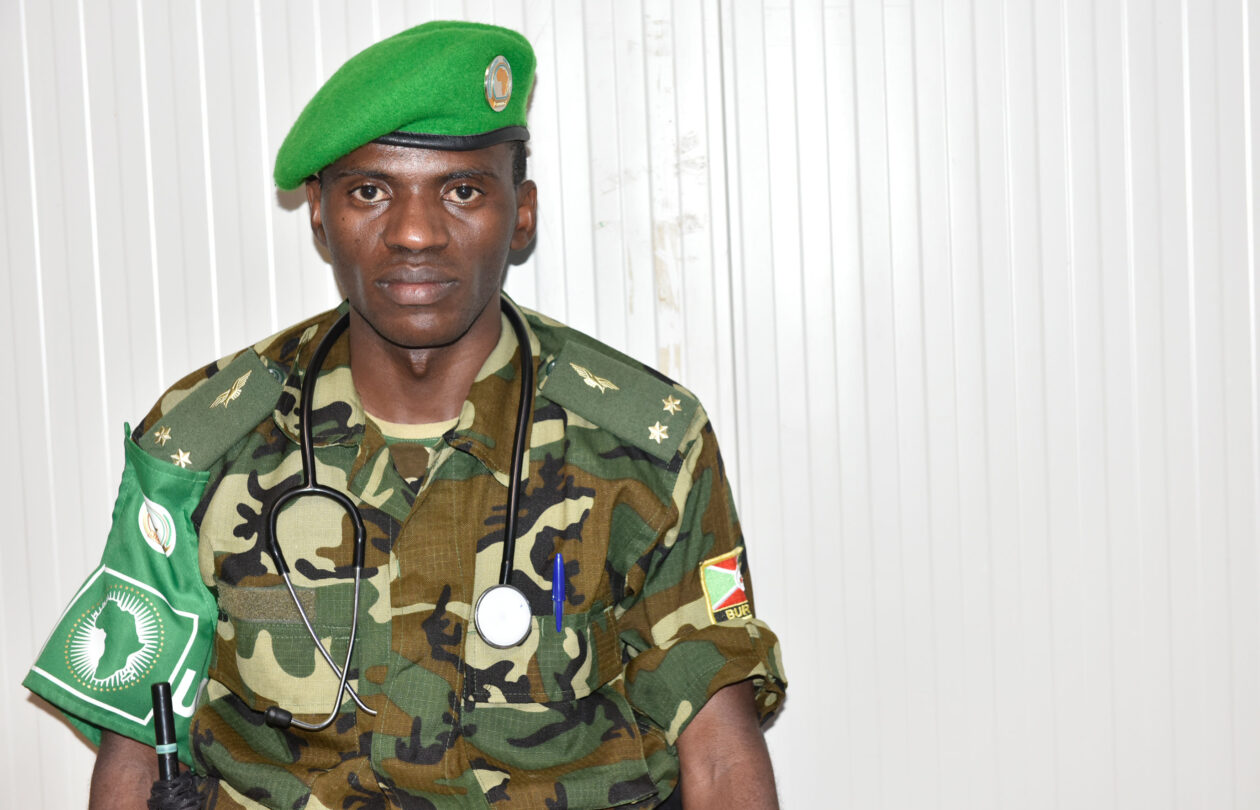
Jowhar – In the challenging environment of Somalia’s conflict-affected regions, access to healthcare remains one of the greatest struggles facing the frontline soldiers and displaced families alike. Amid these hardships, Lt. Dr. Severin Kwizerimana, the medical chief of the Burundian contingent serving under the African Union Support and Stabilisation Mission in Somalia (AUSSOM) in Sector 5, has emerged as a symbol of compassion, dedication, and hope.
Having served in the military for 13 years, Dr. Kwizerimana says he was motivated to join the armed forces by a deep commitment to protecting civilians and promoting peace and security at home and abroad.
“What inspired me to join the military was the desire to protect civilians and their property. Also, I wanted to contribute to peace and security at national and international levels,” he said.
Dr. Kwizerimana played a critical role in caring for troops on the frontline. His commitment to military personnel and local communities demonstrated the humanitarian side of peace support.
The medical chief and his team continue to provide treatment to AUSSOM troops and Somali Security Forces (SSF) fighting Al-Shabaab.
“Normally, the major cases we handle are trauma related injuries caused by Al-Shabaab. Others are accidents,” he said.
The medical chief and his team delivered critical support and timely medical services, including medical evacuation (MEDEVAC) and casualty evacuation (CASEVAC) operations to troops in the field, timely interventions that have saved many lives.
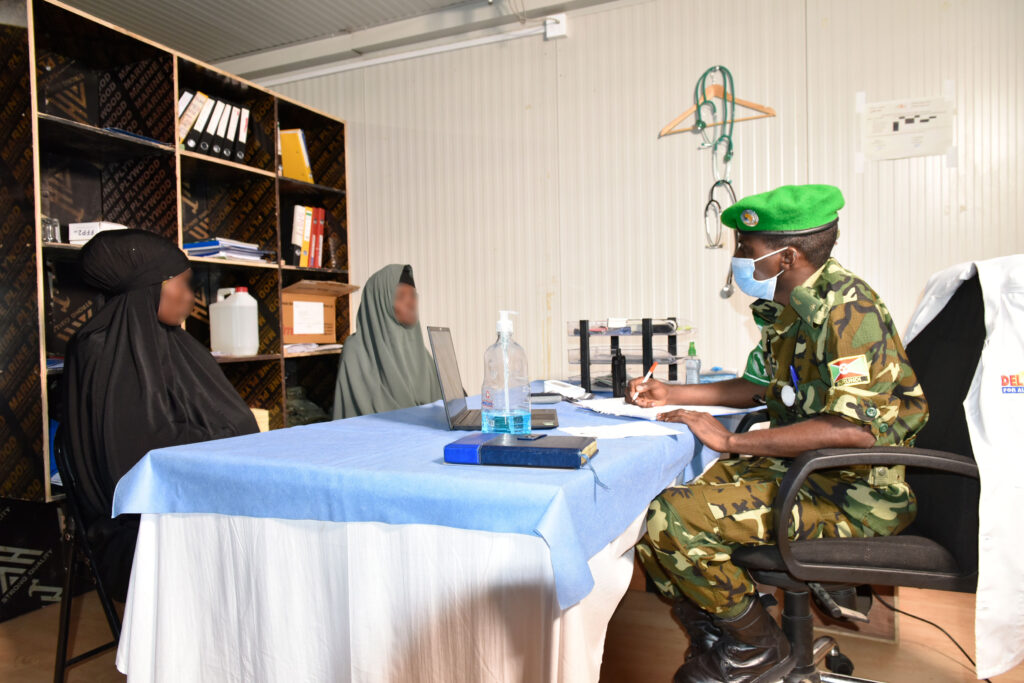
“Some of them need minor surgery and others need specialist care. Sometimes we organise MEDEVAC to Mogadishu Level 2 hospital,” he added.
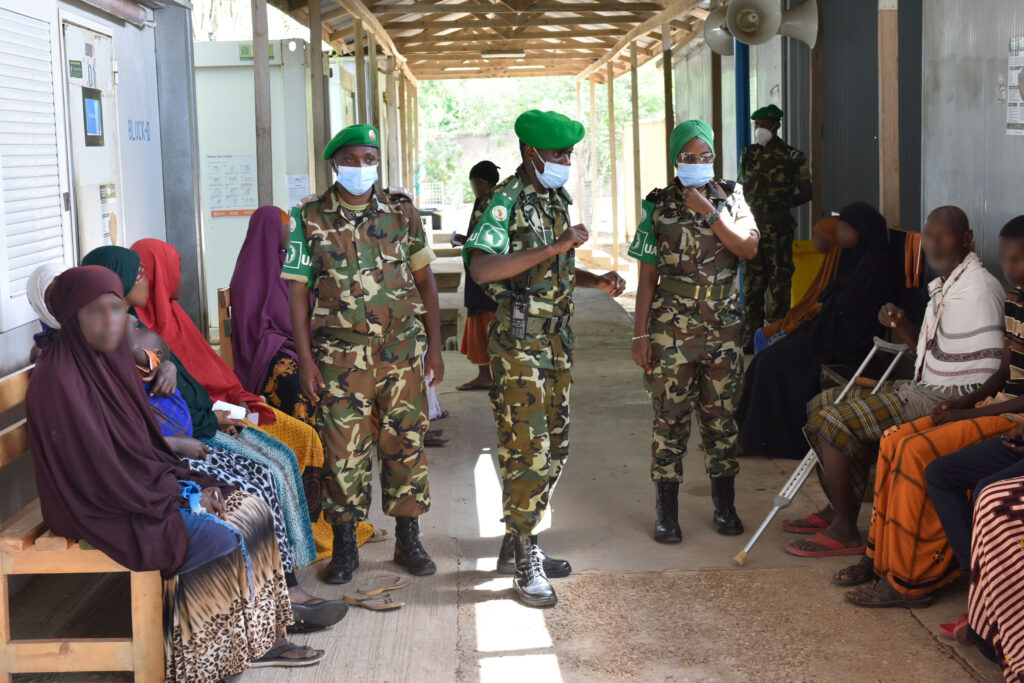
Residents described the medical staff in Sector 5 as welcoming and caring. Patients often travelled long distances seeking treatment as alternative healthcare centers are too far away or too expensive to reach.
Ms. Deka Ibrahim Idiris, a mother of eight and a beneficiary of the medical outreach by Burundian medics, defined the medicine they received from the hospital as helpful and lifesaving.
“The medical care we received helped us recover; praise be to Allah,” she said.
The hospital treated cases related to malnutrition, poor hygiene, infections, snake or dog bites and other natural diseases affecting displaced people living in poor conditions.
In many cases, families who could not access proper treatment were forced to rely on traditional remedies that might worsen illnesses or even result in death. According to Dr. Kwizerimana, this remains a major challenge, as it often complicates treatment and delays access to proper medical care.
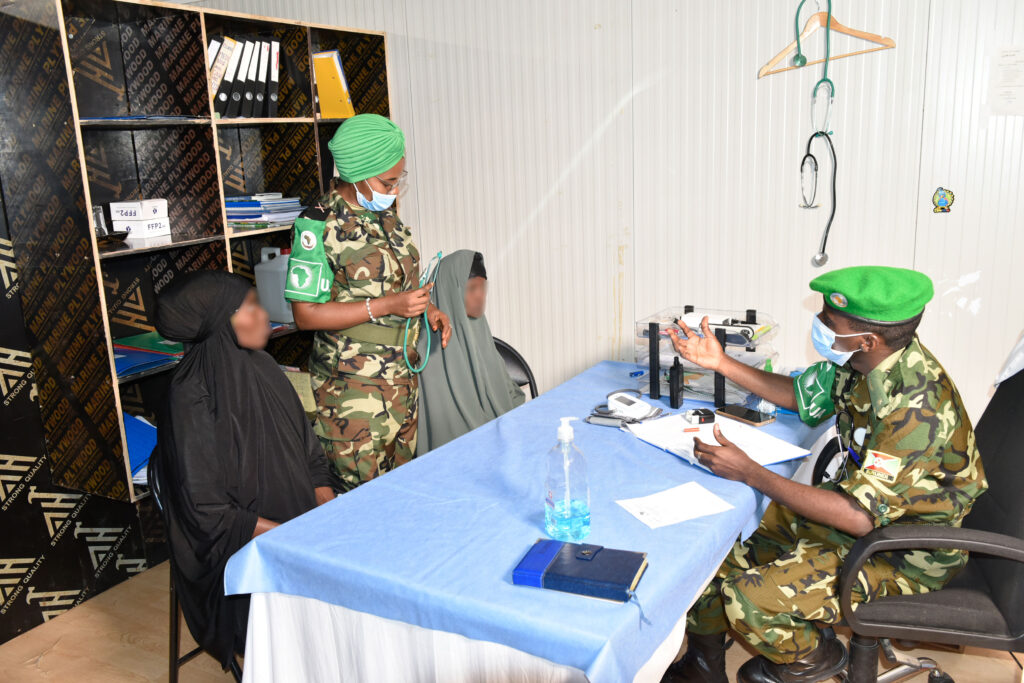
Another challenge is that for many communities living in displacement camps, healthcare facilities are either limited or completely unavailable. Therefore, families rely heavily on the AUSSOM hospital managed by Burundian troops as the overwhelming patient numbers overstretch limited medical supplies.
Community members continue to appeal for additional healthcare centers and medical support for displaced families, especially children living in camps such as Towfik. They believe expanding healthcare access would reduce preventable deaths and improve living conditions for thousands of vulnerable people.
Although he is far from his family, Dr. Kwizerimana said his mission to save lives continues to motivate and encourage him.
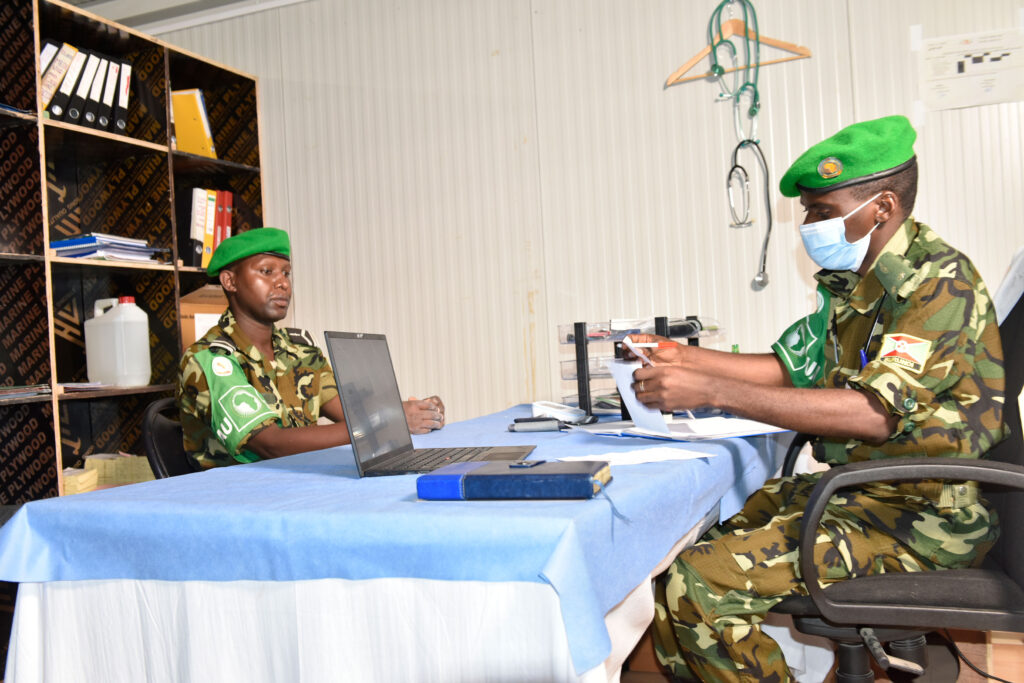
“For us as a medical team, the greatest reward is seeing a patient recover and smile again after receiving proper treatment in our hospitals,” he said.
Beyond serving civilians, fellow officers and residents alike regard him as one of the frontline heroes contributing to the success of the African Union missions in Somalia.
Dr. Kwizerimana’s work stands as a reminder that even in conflict zones, compassion and medical service can restore hope and save countless lives. His dedication reflects the important role healthcare professionals play in protecting peacekeepers and the civilian population they serve.