



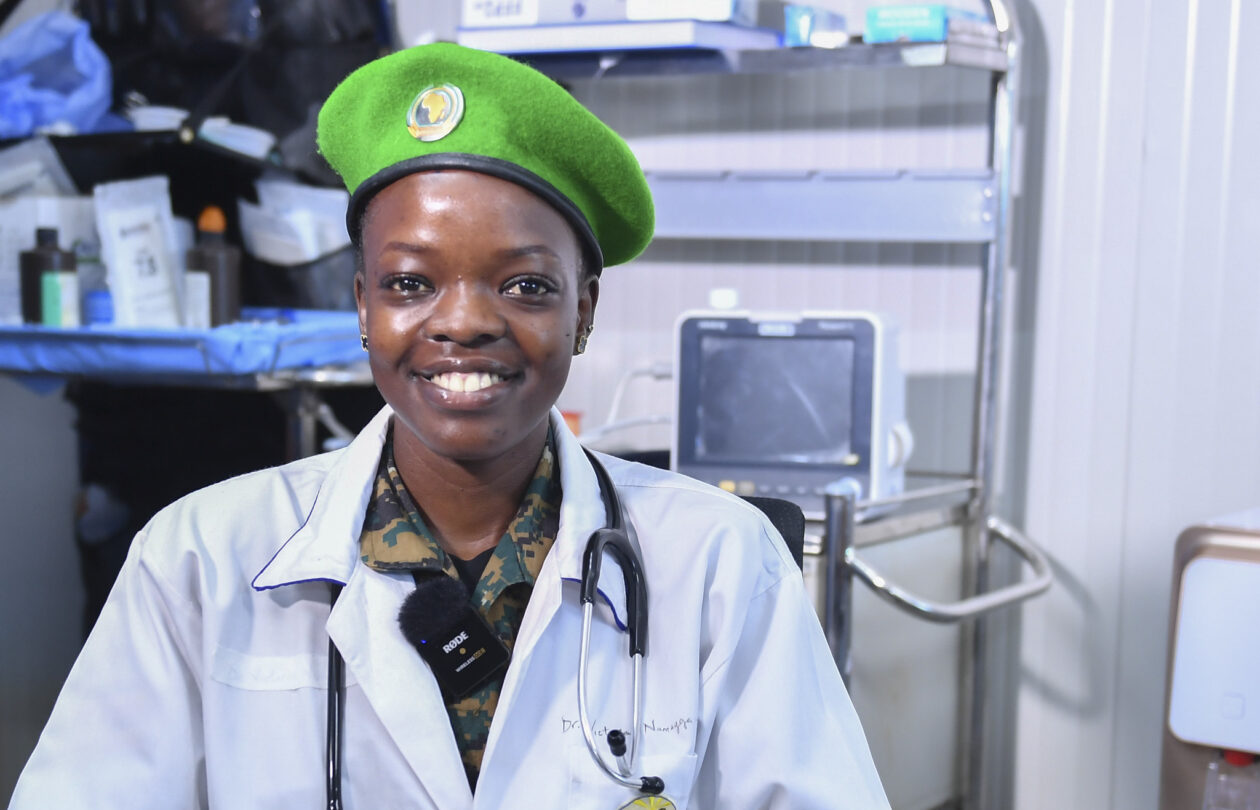
Mogadishu – Every day, the field hospital in Mogadishu, operated by the African Union Support and Stabilisation Mission in Somalia (AUSSOM), comes alive as patients seek treatment and hope for recovery.
At the facility, the medics juggle clinical rounds, outpatient care, attending to patients from the emergency ward to the operating theatre for surgeries, rarely pausing for rest. Days off are a luxury.
Amidst this tireless medical team is Lt. Dr. Victoria Namagga, who leads the medical component of the AUSSOM Uganda Battle Group 44.
In 2019, Namagga was a medical intern at Nakivale refugee settlement in western Uganda, where she cared for refugees and witnessed firsthand the weight of their daily struggles.
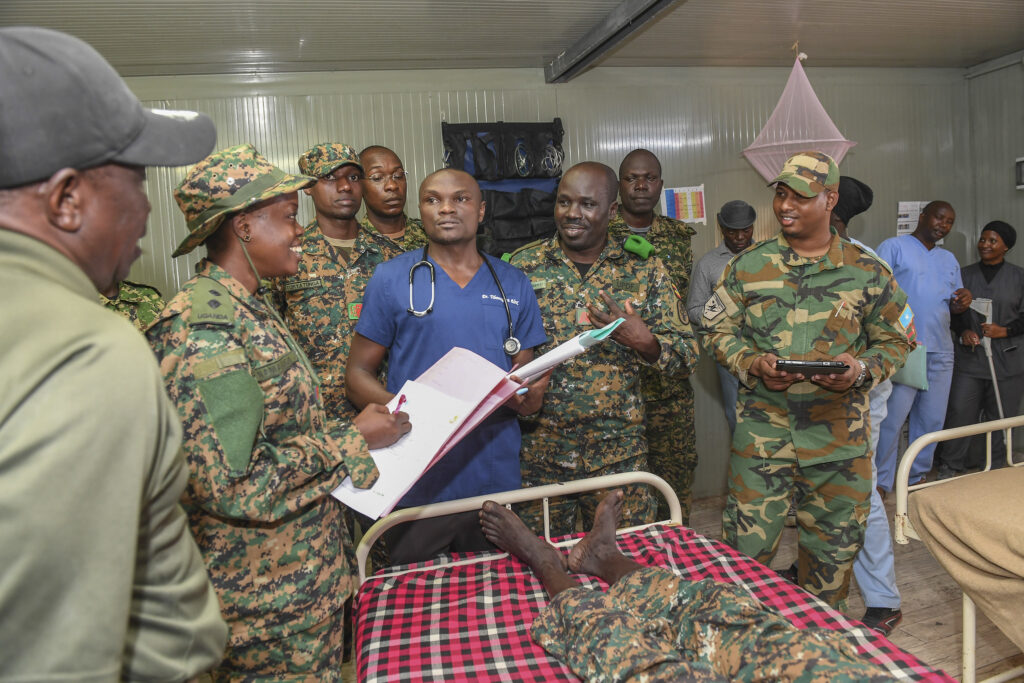
The hardships among the refugees and asylum seekers in Uganda left a mark on her heart.
In 2021, Namagga’s journey into the military began.
“I purposed to be part of something bigger than myself where I can make a difference in someone’s life,” she said.
“So, when the opportunity presented itself, calls came in in 2021 for people to join the army. I thought this could be a platform for me to, you know, bring up my humanitarian side,” she added.
Serving in Somalia
The hospital treats AUSSOM personnel from Burundi, Djibouti, Ethiopia, Ghana, Kenya, Nigeria, Sierra Leone, and Uganda, while also supporting local communities.
Medics are the heartbeat of the AUSSOM, saving the lives of troops and handling the steady flow of civilians who flood the field hospitals seeking treatment and care.
The medics are also vital to the mission’s success through their support for civil-military cooperation activities aimed at winning the hearts and minds of the Somali people.
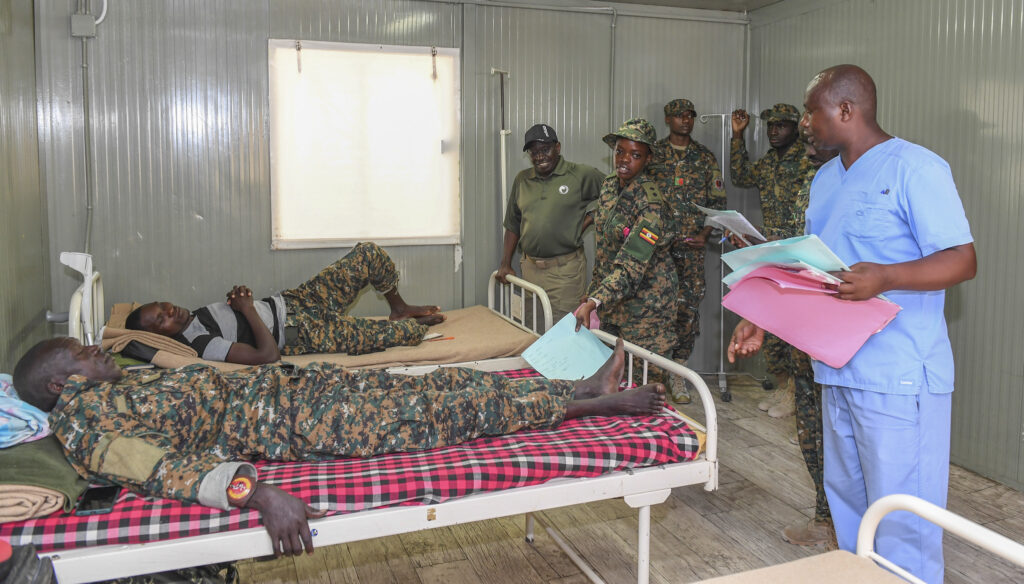
“We see civilians coming from very far corners of Somalia, coming here to seek healthcare. And when they come here, they have this hope, this confidence that they’re going to get the solution that they’re looking for,” she says.
For AUSSOM soldiers, deployment to Somalia comes with living amidst a steady undercurrent of anxiety, never certain if they could be a casualty or a survivor.
In the Forward Operating Bases (FOBs), especially on the frontline, the crack of heavy artillery becomes a daily occurrence.
Yet, amidst the constant uncertainty, Lt. Namagga has discovered profound fulfilment and gratitude in waking up each day and being alive.
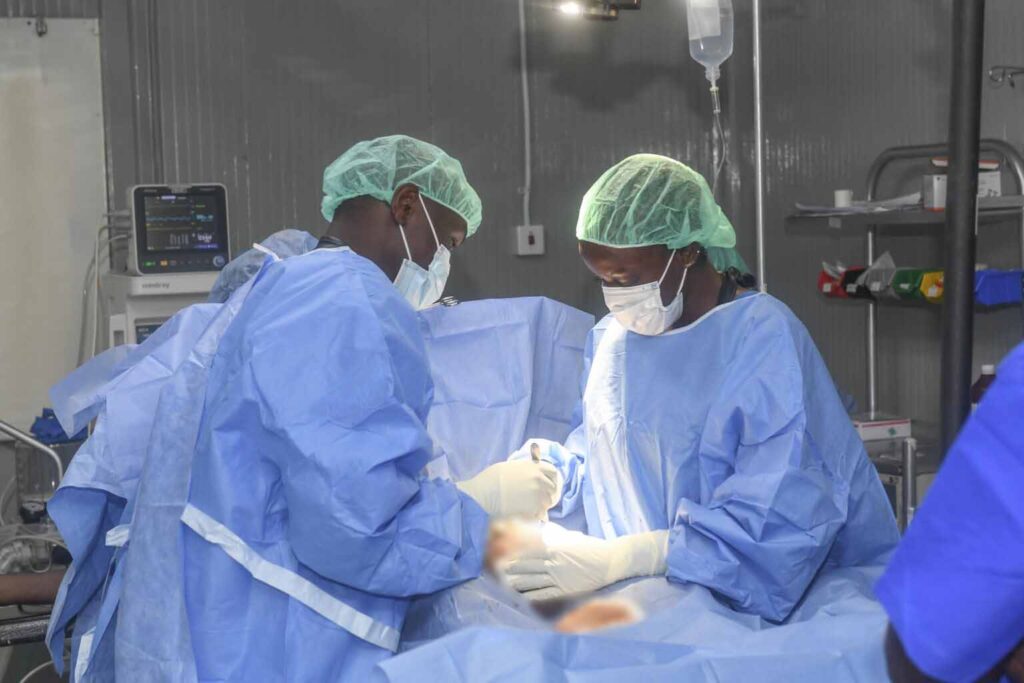
“I’m very passionate about being a doctor and being able to just serve people and put colour in their lives. I mean, when the civilians come, and then they go back smiling, they go back thankful. It’s easy. I just wake up feeling motivated,” she remarks.
The facility treats many ailments, including trauma, battle wounds, dengue fever, malaria, hernias, surgeries, congenital disorders, and burns.
For Lt. Dr. Namagga, working in Somalia has meant hands-on experience and lessons she will carry back to her home country, Uganda, when her tour of duty ends. These experiences have shaped her character and resilience.
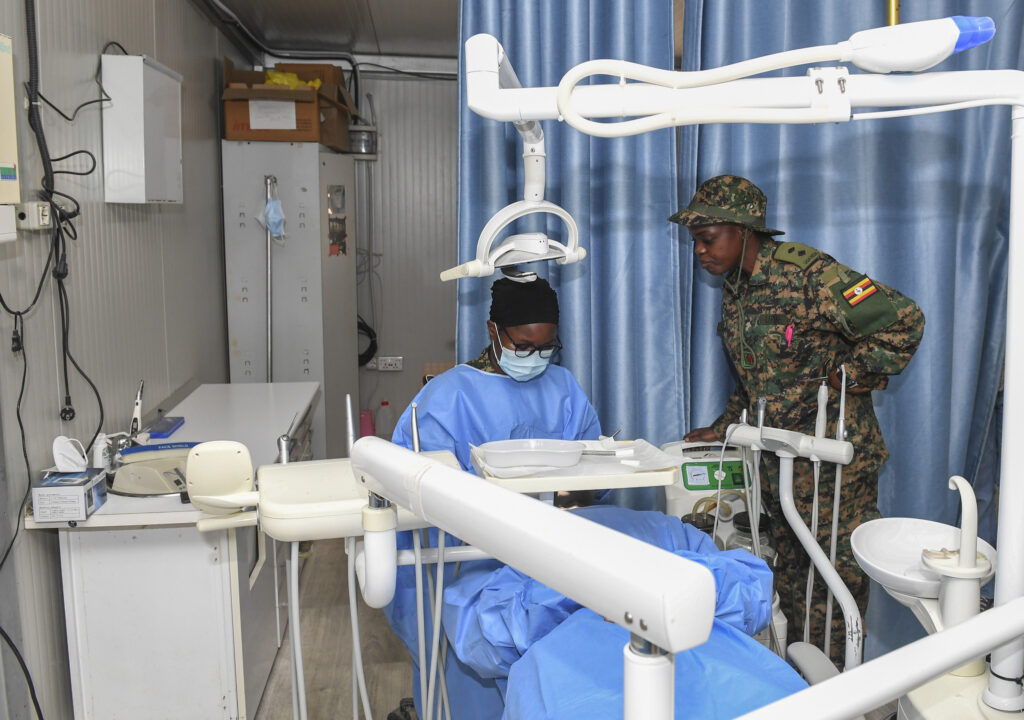
Lt. Dr. Namagga and her team collaborate with Somali military doctors from the Danab special forces, sharing knowledge and learning side by side.
“We work with a number of Somali doctors. They’re under Danab, and we work well with them,” she says.
“It’s been good working with them because when the civilians come, and they see a familiar face, someone from home, it enables us to also be able to handle them with ease.”
Khadija Mohamed Abdi, a Somali working with AUSSOM as a translator, says the country is making progress on the security front and appreciates the support that AUSSOM provides.
“They provide us with a lot of assistance, including free medical care in the hospitals, even performing surgeries and offering medical checkups at no cost,” said Khadija.